
Start Planning Your Ideal Move!
Get Your Free Quote Now:
"*" indicates required fields
How to Safely and Efficiently Handle Restaurant Equipment Moving

Moving restaurant equipment requires careful planning and precision. Items like refrigerators, ovens, and ranges can be bulky, delicate, and costly. Safety and efficiency are key to avoiding damage or delays when moving restaurant equipment. If you’re upgrading a kitchen or moving it, proper preparation ensures a much easier process for everybody involved. Working with the best moving companies in Maryland can help protect your investment and simplify the move. With the right support, you can focus on running your business while experts handle heavy lifting and logistics. Here are tips to ensure your equipment arrives intact, saving you time and effort.
Plan Thoroughly in Advance
Begin your restaurant equipment moving process by planning thoroughly in advance. Create a detailed checklist that includes all your equipment. Categorize items based on size, weight, and fragility. This helps you identify which pieces need special handling or disassembly. Reach out to professional movers early, especially if you need the assistance of long distance moving companies Maryland residents trust. Early communication ensures they understand your specific needs and can prepare accordingly. Discuss logistics, scheduling, and any special requirements for your equipment. A clear plan minimizes delays and reduces the risk of leaving anything behind. An organized approach saves time and effort, making the move more efficient. Remember, thorough preparation and coordination with experts are key to successful restaurant equipment moving.
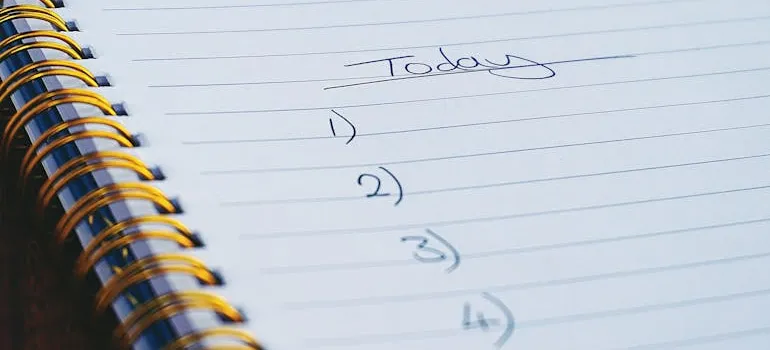
What should your moving checklist look like?
A detailed checklist is essential for organizing a restaurant move. It helps streamline tasks and avoids unnecessary delays. To ensure a smooth restaurant equipment moving process, follow these steps:
- Inventory: List every piece of equipment, furniture, and supplies to account for everything.
- Categorization: Group items by size, weight, and fragility for easy planning.
- Cleaning: Clean all equipment to comply with sanitation requirements.
- Packing Supplies: Gather sturdy boxes, bubble wrap, and tape for packing smaller items.
- Disassembly: Disassemble large or complex equipment for safe transportation.
- Labeling: Label all boxes and items clearly to simplify unloading and setup.
- Permits: Verify that permits and documentation for transporting commercial equipment are in order.
- Schedule Movers: Contact trusted local movers MD locals vouch for, with experience handling restaurant equipment.
- Timeline: Create a moving schedule with specific deadlines for each task.
- Safety Check: Inspect equipment for damages or leaks before and after the move.
Planning ahead with this checklist ensures a stress-free move while keeping your business operations on track. Reliable movers can handle logistics and heavy lifting, making your move efficient and secure.
Disassemble Large Equipment
Disassembling large equipment is an essential step in restaurant equipment moving to ensure safety and efficiency. Many commercial kitchen items, such as ovens, grills, and refrigeration units, have removable components like racks, trays, or shelves. Take apart what you can to make transportation easier and reduce the chance of damage during the move. Label each part clearly to prevent confusion during reassembly. Use bags or containers to store screws, bolts, and smaller pieces securely, keeping them near the corresponding equipment. This organized approach saves time and avoids unnecessary complications. When planning restaurant equipment moving, reputable commercial movers Maryland businessmen frequently choose will handle your heavy and delicate equipment and ensure a seamless process. Preparing equipment in advance supports a faster, safer move and helps protect valuable assets during the move.
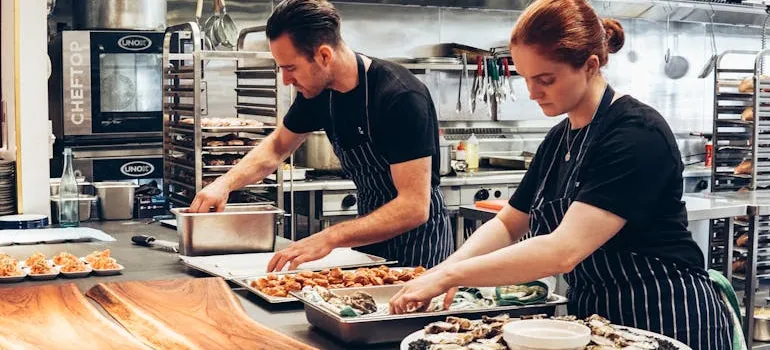
Use Proper Packing Materials
Using proper packing materials is essential for a successful restaurant equipment moving process. Fragile items, such as display cases and warmers with glass components, require extra protection. Wrap these items with bubble wrap to prevent cracks or breaks during transit. Foam padding and blankets are ideal for cushioning larger equipment, ensuring that surfaces remain free from scratches or dents. Securely tape all wrapped components to keep them in place throughout the move. For small yet valuable items, use sturdy boxes with additional padding to absorb shocks. Label each package clearly to indicate its contents and fragility. Proper packing not only protects your investment but also simplifies unloading and reassembly. With the right materials, you can ensure your equipment arrives intact and ready for immediate use.
Secure Equipment Properly
Securing equipment properly is vital for safe restaurant equipment moving. After packing, use straps or bungee cords to secure each item tightly inside the moving truck. This prevents shifting during transit, which can lead to damage. Heavy equipment, such as ovens or refrigerators, should be placed on flat surfaces to maintain stability. Balance top-heavy items to avoid tipping or sliding, which could harm both the equipment and surrounding items. For added safety, position fragile or smaller items between larger pieces to reduce movement. Ensure all straps are fastened securely and double-check their placement before transport. Taking these steps protects your investment and ensures your equipment arrives intact and ready for use. A well-secured load minimizes risks and keeps the move efficient.
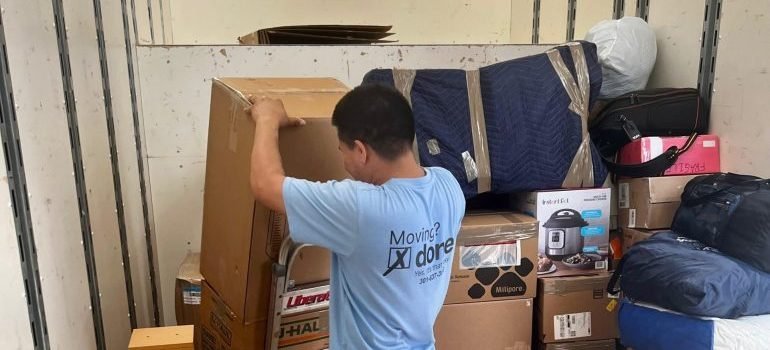
Couple Extra Tips For Your Upcoming Move
Preparing for a successful restaurant equipment moving project involves extra steps to streamline the process and reduce stress. Here are helpful tips:
- Declutter: Donate unused or outdated equipment to free up space and reduce the load.
- Back Up Records: Secure all digital and paper records, including supplier information and operational manuals.
- Inspect Equipment: Check for damages and service equipment that needs repairs before moving.
- Communicate Early: Notify vendors and employees about the move to ensure everyone stays informed.
- Plan Utilities: Schedule disconnection and reconnection of utilities at both locations.
- Prepare Floor Plans: Map out the new kitchen layout to speed up reinstallation.
- Create an Emergency Kit: Pack essential tools and items, like screwdrivers, for quick fixes during the move.
These steps keep the moving process organized and minimize disruptions to your business operations.
You Are Set To Make A Succesful Move!
Preparing for restaurant equipment moving can feel overwhelming, but careful planning and the right approach make all the difference. Following these tips will help you protect your equipment and minimize downtime. From disassembling large items to securing them properly, every step plays a role in an efficient move. Rely on expert help to handle your move with precision and care. Experts understand the importance of keeping your business running and ensure your equipment arrives safely. So, schedule your move on time and experience professional service tailored to your needs.

Satisfied
Customers
Contact Us
"*" indicates required fields
How it Works

Let Us Plan Your Move
We will assign a personal moving coordinator to handle all the details of your move and keep you informed 24/7.
Relax While Moving
Focus your time and energy on other things while our movers and packers Maryland trusts handle all the heavy lifting.