
Start Planning Your Ideal Move!
Get Your Free Quote Now:
"*" indicates required fields
How to Pack for Moving: Expert Tips for a Stress-Free Move

Packing for a move can seem overwhelming, but with a little planning and the right strategy, you can make the process much easier. Whether you’re moving across town or across the country, knowing how to pack for moving effectively will save you time, energy, and reduce stress! In case you need any help with moving and packing, Helix Moving and Storage is here to assist!
Start Early and Stay on Track
One of the biggest challenges with moving is the temptation to delay packing until the last minute. If you are wondering how to pack for moving, starting early is the best way to keep the process manageable! Aim to start packing at least a month before your moving day. Start with the areas of your home you use the least, such as storage rooms or seasonal wardrobes. Breaking down your packing into smaller tasks allows you to stay organized and avoid feeling rushed. A good system is to work one room at a time. This step might feel small, but it makes unpacking far easier once you arrive at your new home.
Gather the Right Supplies
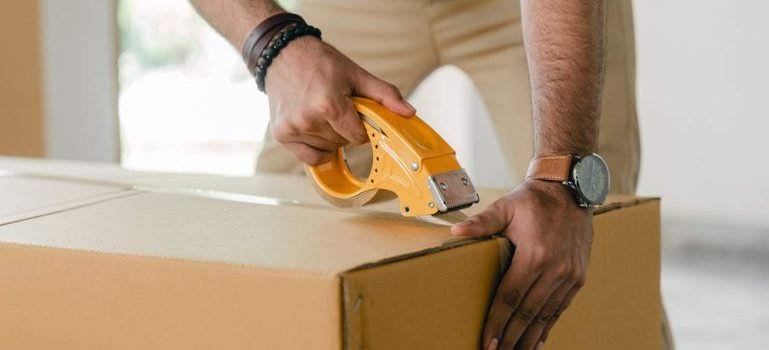
Using high-quality packing materials can make a big difference. Gather sturdy boxes in various sizes, bubble wrap, packing paper, and reliable packing tape. Fragile items like glassware, electronics, and dishes should be wrapped individually with bubble wrap or paper to protect them from breakage. Also, you shouldn’t forget to wrap furniture for moving. For items that are especially delicate, consider labeling the box as “fragile” to remind movers to handle it with extra care.
Don’t Overpack Boxes
While it might be tempting to fit as much as possible into each box, overpacking can lead to damage. Heavy boxes are not only harder to carry but also more likely to break under the weight. Keep a balance—fill each box up to capacity without making it too heavy. A good rule of thumb is to use smaller boxes for heavy items like books, dishes, or small appliances, and save the large boxes for lighter, bulkier items like blankets or pillows.
Handle Odd-Shaped Items with Care
Packing awkwardly shaped items requires a little extra thought. For framed artwork or mirrors, consider using specialty boxes called mirror boxes. If those aren’t available, wrap each piece in a thick blanket and secure it with tape for added protection. For tall items like lamps, remove the shades and pack the bases separately to prevent damage. Wrapping the base with bubble wrap or packing paper will help avoid scratches and breakage.
Keep Heavy Items Together but Manageable
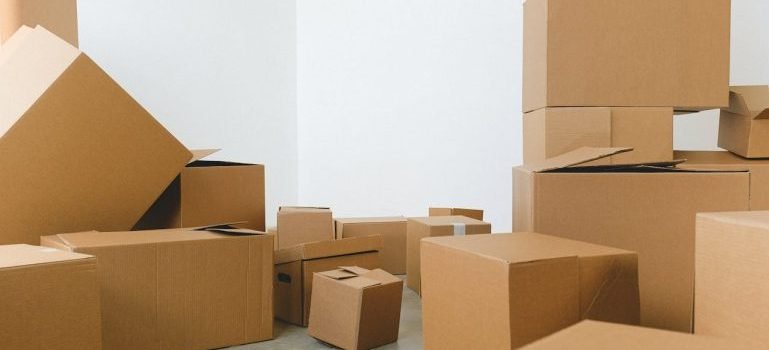
Books, dishes, and other weighty items need special attention. Rather than stacking all your heavy belongings into large boxes, use smaller boxes to keep the weight manageable. This makes the boxes easier to lift, reduces the risk of them breaking, and prevents lifting injuries. Place heavier items at the bottom of each box, and fill any empty space with packing paper to prevent shifting. Remember, it’s always better to lift two lighter boxes than one heavy one.
How to Pack for Moving? Protect Fragile Items with Care!
Fragile items need extra cushioning to survive the move. Wrap each item individually, especially dishes, glasses, and other breakables. Layer the bottom of the box with padding material, place your fragile items inside, and fill any gaps with additional packing paper. Items like plates should be stacked vertically rather than horizontally to reduce the chance of cracking. Label each box containing fragile items so everyone knows how to handle it carefully.
Pack Essentials Separately
Packing an essentials box is one of the best ways to avoid stress when moving day comes. Include everything you might need for the first night in your new home: toiletries, a change of clothes, basic kitchen items, and any medications you take daily. This way, you won’t have to unpack every box immediately to find the necessary items.
Save Closet Space with Wardrobe Boxes
Wardrobe boxes allow you to move your clothes straight from the closet without folding or wrinkling them. These tall boxes come with a metal bar inside, so you can transfer your hanging clothes directly. If wardrobe boxes aren’t available, try using regular boxes for folded clothes, or even trash bags to keep them protected and organized during transport.
Take Care of Electronics
For electronics like TVs, computers, and gaming consoles, use their original boxes if you still have them, as these provide the best fit and padding. If you don’t have the original packaging, wrap each item in bubble wrap and place it in a sturdy box with additional padding. For cables, tie them up neatly and label each so you’ll know exactly where they belong once you’re ready to set up in your new space.

Label Everything Clearly
When discussing how to pack for moving, we must also mention labeling. Clear labeling makes unpacking much easier. Write the contents and the intended room on each box, and mark any fragile boxes to remind yourself or the movers to handle them carefully. For added organization, consider using color-coded labels for each room or create a packing inventory sheet that lists each box and its contents.
Consider Temporary Storage Solutions
If there’s a gap between your move-out and move-in dates or you have items you’re not ready to bring to the new home yet, a storage unit can be a lifesaver. Many moving companies offer short term storage options for these situations. Make sure to label boxes you’re placing in storage and consider creating a checklist to keep track of these items separately.
Quick Tips for an Easier Moving Day
- Keep valuable items close: Pack jewelry, important documents, and personal keepsakes in a separate bag you keep with you during the move.
- Take photos of complex setups: For items like electronics or intricate furniture setups, take a quick photo before disassembling. This can help you remember where cables and pieces go when it’s time to reassemble.
- Use baggies for small parts: Small items like screws and brackets can easily get lost. Keep them in labeled plastic bags and tape these to the item they belong to or pack them together in a small box.
- Prepare a tool kit: Include basic tools like a screwdriver, box cutter, and a flashlight in an easy-to-access place. These come in handy throughout the packing and unpacking process.
Making Packing a Breeze!
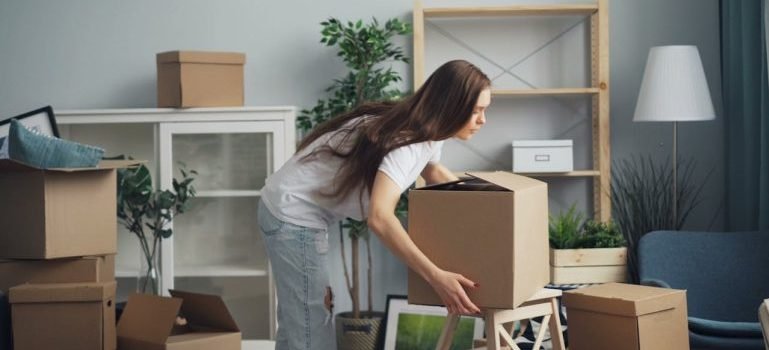
Packing efficiently can transform the way you approach moving. By following these tips on how to pack for moving, you’ll find the process more manageable, organized, and rewarding. Start early, use the right materials, and don’t forget the importance of labeling and proper organization. Taking a room-by-room approach helps reduce stress, and handling fragile or heavy items correctly ensures they arrive intact. If you’re short on time or want extra support, you can hire professionals who can streamline the process, giving you more time to focus on settling into your new home. With the right strategy, packing can become a straightforward part of your moving experience!

Satisfied
Customers
Contact Us
"*" indicates required fields
How it Works

Let Us Plan Your Move
We will assign a personal moving coordinator to handle all the details of your move and keep you informed 24/7.
Relax While Moving
Focus your time and energy on other things while our movers and packers Maryland trusts handle all the heavy lifting.