
Start Planning Your Ideal Move!
Get Your Free Quote Now:
"*" indicates required fields
Moving with Cats: Essential Tips for a Smooth Transition

Moving can be stressful for everyone involved, including our furry companions. Cats, in particular, are sensitive to changes in their environment and may react negatively to the unfamiliar sights, sounds, and smells of moving. But with the right preparation and a few thoughtful strategies, moving with cats can be far less stressful—for both you and your pet. Here are some essential, yet often overlooked, tips to make the process easier! In case you need help with moving, Helix Moving and Storage Maryland is at your service!
Get Your Cat Acclimated Early
One of the easiest ways to help your cat feel more at ease during a move is by introducing moving supplies, like boxes and carriers, gradually. Cats are naturally curious but also highly wary of change. If you bring boxes into your home only a day or two before the move, your cat may feel alarmed or anxious. Instead, try setting up a small “moving zone” weeks in advance. This zone should include boxes, bubble wrap, and other moving supplies. Allow them to explore and get comfortable with these items in a low-pressure way, using treats or toys to encourage interaction. You may find your cat eventually enjoys lounging in an empty box.
Create a Positive Association with the Carrier
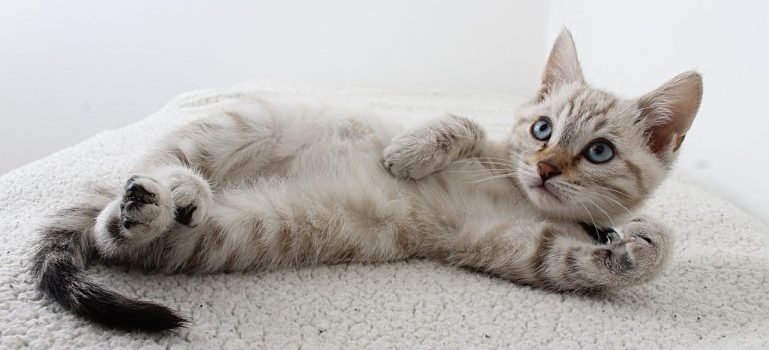
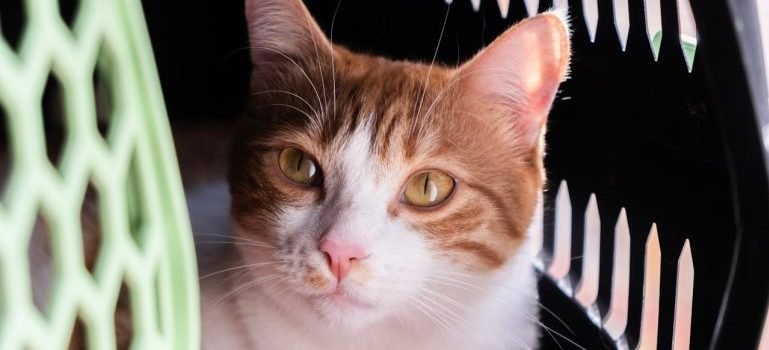
Many cats only see their carrier on trips to the vet, which can cause negative associations. Instead, make the carrier a regular part of their environment well before the move. Place soft bedding and maybe a treat or two inside, and leave the door open so they can explore freely. If they voluntarily enter the carrier and rest inside, give them plenty of praise or treats. Building this positive association reduces stress when it’s time to actually place them inside for transport.
Schedule a Vet Visit
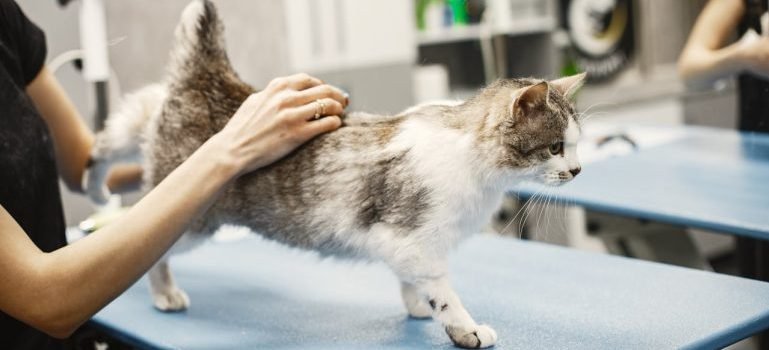
A pre-move vet visit is a good idea, especially for cats that are older or have any health concerns. The vet can ensure your cat is healthy enough for the move and offer any additional advice for managing stress. Also, make sure your cat’s vaccinations are up-to-date, especially if you are moving out of state, as some areas have specific requirements.
Take Advantage of Calming Products When Moving With Cats
If your cat tends to be anxious, consider using calming products specifically designed for cats. Options include pheromone sprays, calming collars, and natural calming treats, all of which are widely available. For example, Feliway is a well-known brand of synthetic cat pheromones that many pet owners find helpful. Spraying it in the car, around the carrier, and in your cat’s new space can provide comfort and reduce stress.
Update Their ID and Microchip Information
As you prepare for moving with cats, don’t forget to update your cat’s ID tags and microchip with your new address. While we all hope it doesn’t happen, cats may become disoriented or attempt to escape during the move. Having the correct information on hand ensures that if your cat gets lost, they can be returned to you quickly.
Pack a Separate ‘Cat Bag’
Just as you’d pack an overnight bag for yourself, pack a dedicated “cat bag” with everything your cat will need during the move. This bag should include:
- Enough food for several days
- Fresh water and a bowl
- Litter and a portable litter box
- Any necessary medications
- A favorite toy or two
- A blanket or bed that smells like home
Having these essentials close by helps to ease their anxiety and provides a touch of familiarity during the move. Once you reach the new location, these items will help make the adjustment period easier.
Use a Designated “Safe Room” on Moving Day
The process of packing up, moving boxes, and seeing unfamiliar faces coming and going can be overwhelming for cats. To minimize stress when moving with cats, set up a “safe room” for your cat on moving day while movers are moving. This room should have everything they need: litter box, food, water, bedding, and maybe a scratching post or favorite toy. Close the door and add a note to inform movers not to enter. This way, your cat will stay calm and secure, away from the noise and disruption.
Secure the Carrier Properly in the Car
When moving day arrives, securing your cat’s carrier in the car is important for both safety and comfort. Place the carrier in a stable, level area, such as on the floor behind a seat, and secure it with a seatbelt or other restraint to prevent tipping or shifting. Avoid placing the carrier in direct sunlight especially if you are moving during summer, as cats can easily overheat in confined spaces. If the trip is long, plan stops to allow your cat to drink water and take breaks in a safe, controlled way.
Plan for a Quiet Space in Your New Home
Upon arrival at your new home, create a calm, quiet space for your cat to settle in before letting them roam freely. Set them up in a single room with their familiar items—bed, litter box, food, water, and toys. Allow your cat to explore this initial space and get comfortable before they venture into the rest of the house. Cats adjust better when introduced gradually to a new environment rather than all at once.
Keep Routines Consistent
A move can be disruptive for both you and your cat. As much as possible, keep feeding times, play sessions, and daily routines the same as they were in your old home. Consistency in these routines provides comfort and stability, helping your cat feel secure even in a new environment.
Observe Behavior for Signs of Stress
Cats may exhibit stress in different ways after a move, such as hiding, reduced appetite, or increased vocalization. Monitor your cat’s behavior closely in the days and weeks after the move. If they continue to show signs of stress, consider offering additional comforts or, if needed, consult your veterinarian for advice. In some cases, cats take a little longer to adjust, and with patience, they will usually become comfortable in their new space.

Make Sure Your Relocation Is a Positive Experience for You and Your Pets!
Moving with cats doesn’t have to be a difficult experience. With the right approach, you can make the process as comfortable as possible for both you and your feline friend. By preparing early, keeping routines consistent, and offering plenty of comfort, you’re helping your cat feel safe and secure throughout the change. A few simple steps—like setting up a quiet space and introducing the new environment slowly—can make a huge difference in reducing stress. Remember, patience and extra attention go a long way. Cats thrive when they feel stable and loved, so keep them close and offer plenty of reassurance. With careful planning, relocating with cats becomes far easier, turning a potentially stressful situation into a better experience for you both!

Satisfied
Customers
Contact Us
"*" indicates required fields
How it Works


Let Us Plan Your Move
We will assign a personal moving coordinator to handle all the details of your move and keep you informed 24/7.

Relax While Moving
Focus your time and energy on other things while our movers and packers Maryland trusts handle all the heavy lifting.