
Start Planning Your Ideal Move!
Get Your Free Quote Now:
"*" indicates required fields
The Best Moving and Storage Options for Your Move

Moving can be a challenging process, especially when you’re juggling the logistics of packing, transportation, and storage. Finding a reliable solution for your belongings can make the entire experience more manageable. Whether you’re downsizing, waiting for your new home to be ready, or simply trying to keep everything organized, selecting the right moving and storage options is key to a successful move. For expert assistance tailored to your needs, consider Helix Moving & Storage Maryland, a trusted name in the industry. Let’s explore the best strategies and tips for storing your items safely and efficiently!
Fragile and Breakable Items
Protecting fragile items is one of the most important aspects of moving and storage. Glassware, electronics, family heirlooms, and other delicate items require special attention. Begin by wrapping each piece individually with bubble wrap, packing paper, or foam inserts to minimize the risk of cracks or breakage. Avoid skimping on cushioning materials. It’s better to over-protect than to risk damage.
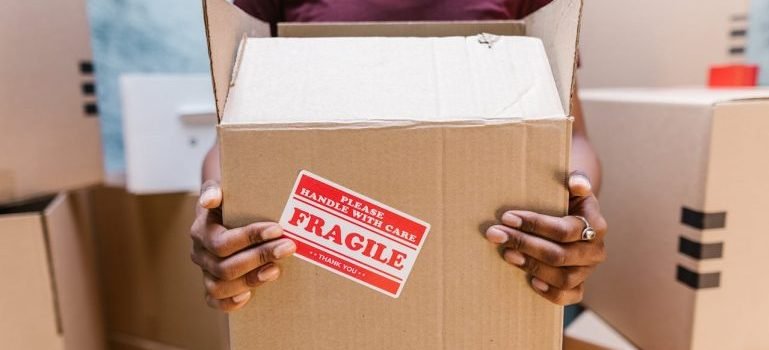
When storing fragile items, climate-controlled units are a must. Extreme temperatures or high humidity can lead to cracked glass, warped electronics, or tarnished metals. Consider investing in sturdy, double-walled boxes for these items and clearly label each box with “FRAGILE” to ensure proper handling. You might also want to create an inventory list so you know exactly where each fragile item is stored.
Furniture Storage
Furniture often poses a unique challenge due to its size and weight. Large pieces like beds, sofas, and dining tables can be difficult to move and require thoughtful preparation for storage. Disassembling furniture can save space and make transportation much simpler. Remove legs from tables and chairs, and store screws and bolts in labeled plastic bags to avoid losing them.
Don’t forget to wrap furniture for moving. If you want to protect it from dust, scratches, or moisture, wrap fabric and cushions in plastic or use specialized furniture covers. Wooden items should be polished before storage to maintain their condition, while upholstered furniture may benefit from a protective spray to prevent stains and odors. Stackable containers are also useful for storing smaller pieces like side tables or stools, maximizing space efficiency in your storage unit.
If you’re storing furniture for an extended period, ensure there’s proper ventilation in the storage space to avoid mold or mildew. Opt for a climate-controlled unit if your furniture is particularly valuable or sensitive to temperature changes.

Seasonal Items and Clothes
Seasonal items often occupy a significant amount of space in storage. Whether it’s holiday decorations, ski gear, or summer camping equipment, these belongings need to be packed and stored in a way that allows for easy access when needed. Use clear plastic bins with secure lids to keep these items clean and visible. Transparent containers let you quickly identify what’s inside without opening every box.
For clothing, vacuum-sealed bags are a game-changer. They compress bulky items like winter coats, comforters, and sweaters, freeing up space in your storage unit. However, be cautious when vacuum-sealing delicate fabrics, as they may become damaged over time.
When organizing seasonal items, group them by category and label each bin clearly. For instance, one bin could be labeled “Winter Clothing,” while another could say “Holiday Decorations.” Place these bins in an easily accessible spot in your storage unit, so you don’t have to dig through everything when the seasons change.
Important Documents and Small Valuables
While most belongings can go into storage, some items require additional care or should remain with you during a move. Important documents, such as birth certificates, passports, and legal papers, are best kept in waterproof, fire-resistant containers. These containers protect your documents from unexpected incidents like water leaks or fires in the storage unit.
If you need to pack jewelry for moving, or family keepsakes, and small electronics like tablets or cameras, you should pay special attention. Use lockable boxes or safes for these items, and consider renting a small, high-security storage unit for extra peace of mind. Another option is to keep these valuables with you rather than placing them in storage, ensuring they remain safe and accessible throughout your move.
Specialized Storage Options
In some cases, traditional storage units may not be the best solution for your needs. Portable storage containers have become increasingly popular, offering flexibility and convenience. These containers are delivered to your home, allowing you to load them at your own pace. Once packed, the company picks them up and either delivers them to your new home or stores them at a secure facility. This option works well if you’re in between moves or need storage for a short period.
If you’re storing large quantities of items or need to access your belongings frequently, self-storage units with 24/7 access can be a great choice. Look for facilities with added security features such as surveillance cameras, gated access, and individual alarms on each unit. Many storage facilities also offer different unit sizes, so you can choose one that fits your requirements without paying for unnecessary space.
Label and Organize for Easy Access
Regardless of what you’re storing, organization is key to a hassle-free experience. Label every box clearly with its contents, and create a detailed inventory list that corresponds to your storage layout. This will help you locate specific items quickly without having to rummage through multiple boxes.
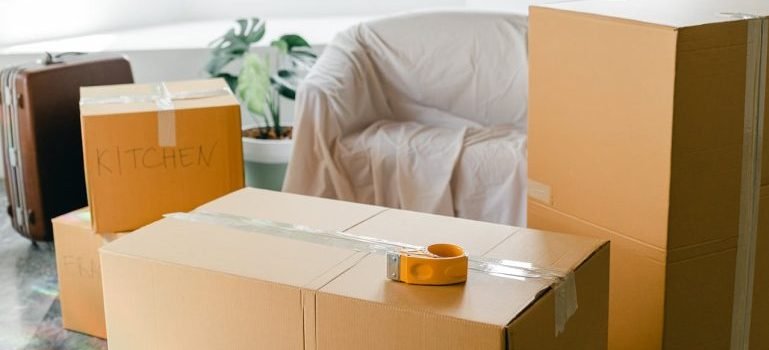
Place heavier items on the bottom of stacks to create a stable foundation, with lighter or fragile items on top. If you’re using shelves within your storage unit, take advantage of vertical space by stacking bins and boxes strategically. Use color-coded labels or stickers for added convenience, such as red for fragile items and blue for seasonal gear.
Consider leaving a walkway within your storage unit to make it easier to access items in the back. This is especially useful if you plan to retrieve items periodically rather than all at once.
Insurance and Security for Your Belongings
While many storage facilities are secure, it’s always wise to take extra precautions to protect your belongings. Check whether your storage provider offers insurance options, and consider purchasing additional coverage if you’re storing high-value items. Most homeowner’s or renter’s insurance policies provide some coverage for items in storage, but it’s worth confirming the details with your provider.
Ensure the facility you choose has robust security measures in place, including surveillance cameras, on-site staff, and gated access. For additional security, use high-quality locks on your unit. Disc locks or cylinder locks are harder to tamper with than traditional padlocks.

Tips for Packing and Storing Efficiently
Efficient packing is crucial to for both moving and storage. If you want to make moving easier, here are some quick tips to keep in mind:
- Use uniform-sized boxes to make stacking easier.
- Avoid overloading boxes, as this can cause them to collapse.
- Pack items you won’t need right away toward the back of the unit.
- Use furniture covers or moving blankets to protect larger items from scratches.
- Utilize vertical space with sturdy shelves or stackable bins.
Choose the Right Moving and Storage Options for Your Needs!
Storing your belongings doesn’t have to be a stressful part of the moving process. With the right preparation and storage solutions, you can keep your items safe and organized, making your move far easier. Take the time to assess your needs, choose appropriate options, and follow best practices for packing and organizing. Whether you’re dealing with fragile heirlooms, bulky furniture, or seasonal decorations, a little planning goes a long way in ensuring your belongings are well cared for. Take advantage of the many moving and storage options available today to make your transition as seamless as possible!

Satisfied
Customers
Contact Us
"*" indicates required fields
How it Works

Let Us Plan Your Move
We will assign a personal moving coordinator to handle all the details of your move and keep you informed 24/7.
Relax While Moving
Focus your time and energy on other things while our movers and packers Maryland trusts handle all the heavy lifting.